From 'Ew, No!' to 'Can I Have More?': How Peppa Pig Is Quietly Winning the Picky Eater Battle
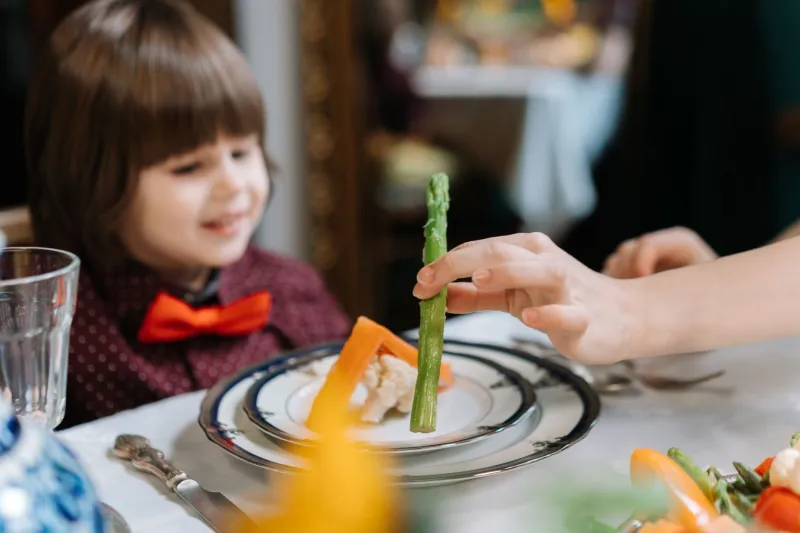
If you've ever sat across from a four-year-old who would rather go to bed hungry than touch a pea, you know the particular exhaustion of the picky eater phase. You've tried the airplane spoon. You've hidden zucchini in brownies. You've bribed, bargained, and probably cried a little in the kitchen when no one was watching.
So it might come as a surprise — and a genuine relief — that a cartoon pig from England is doing what you couldn't.
Parents across the US are noticing something interesting: after a few weeks of watching Peppa Pig, their kids are suddenly curious about foods they'd previously treated like crime scene evidence. Tomato soup. Roast dinners. Porridge. Even — brace yourself — vegetables.
What's going on? And more importantly, how do you make the most of it?
Why TV Characters Have a Seat at the Table
Children are wired to imitate the people — and characters — they love. It's called observational learning, and it's one of the most powerful tools in early childhood development. When a child watches Peppa enthusiastically slurp up soup or George gobble down his dinner without a fuss, their little brains are quietly filing that away: food is fun, food is normal, food is something the people I like actually enjoy.
"Young children are incredibly susceptible to social modeling," says registered dietitian nutritionist Maya Hollins, who works with families on feeding challenges in the Chicago area. "When they see a beloved character engaging positively with food — not just tolerating it, but genuinely enjoying it — it lowers the emotional stakes around trying something new. It makes the unfamiliar feel safe."
This is actually backed up by research. A 2016 study published in the journal Appetite found that children were significantly more willing to try unfamiliar foods when those foods were associated with characters they already trusted. The character didn't have to be real. They just had to be beloved.
Peppa? Beloved doesn't even begin to cover it.
The Episodes That Are Doing the Heavy Lifting
Not every Peppa Pig episode is a food revelation, but a handful of them keep coming up again and again in parent conversations.
Peppa's Lunch is a fan favorite among parents of resistant eaters. In it, Peppa and her classmates share their lunches at playgroup, and the social, cheerful atmosphere around eating is front and center. No drama. No negotiation. Just kids eating together and having a good time.
Then there's the episode where the family visits a farm and learns where vegetables come from — something that resonates deeply with kids who've never made the connection between the ground and their dinner plate. Several parents have reported that after watching it, their kids asked to plant something in the backyard, which led to actually eating what they grew.
"My son, who is five, refused to eat carrots for two solid years," says Danielle R., a mom of three from Austin, Texas. "After he watched an episode where Peppa and her family are in the garden, he came to me and said he wanted to grow carrots like Peppa. We planted some. He ate them. I nearly fell over."
She's not alone. In parenting forums and Facebook groups across the country, variations of this story pop up constantly. Kids who wouldn't touch soup asking for 'the kind Peppa has.' Kids requesting 'a proper dinner' because Daddy Pig had one on screen. Kids who suddenly want to know what porridge tastes like.
What Nutritionists Want You to Know
Here's the thing — nutrition experts aren't rolling their eyes at this. Many of them are genuinely enthusiastic about it.
"Anything that creates positive associations with food and eating is a tool worth using," says Hollins. "Parents often feel like they have to be the sole source of food education for their kids, and that's an enormous amount of pressure. If a show is helping a child feel curious and open rather than anxious and resistant, that's genuinely valuable."
The key, she says, is not to force the connection. Don't sit your kid down and say, "Remember how Peppa ate her soup? Now you have to eat yours." That kind of pressure can backfire and make mealtimes feel like a test rather than an experience.
Instead, let the interest come from the child. Follow their lead. If they mention something they saw on Peppa, that's your opening.
Practical Ways to Use the Peppa Effect (Without Being Manipulative About It)
You don't have to be sneaky or strategic to make this work. Some of the most effective approaches are refreshingly simple.
Cook together after watching. If your child just watched an episode featuring a meal, invite them into the kitchen. Even if they're just stirring something or washing vegetables, the act of participation builds ownership — and kids are far more likely to eat something they helped make.
Name the dish. This sounds silly, but it works. Call it "Peppa's soup" or "the pasta Daddy Pig would like" and suddenly dinner has a story. Stories make food interesting. Interesting food gets eaten.
Don't make it a big deal. If your kid asks about a food they saw on screen, just make it. Don't announce it, don't hover while they try it, don't do the anxious parent watch. Put it on the table, keep the vibe casual, and let them explore at their own pace.
Use the show as a conversation starter, not a script. Ask your child what they think Peppa's favorite food is. What would they bring to a playgroup lunch? What would George refuse to eat? These conversations build food vocabulary and comfort without any actual eating pressure involved.
Validate the curiosity. If your child asks what porridge is, make some. Even if they take one bite and decide it's not for them, you've expanded their world a little. That matters.
The Bigger Picture
Picky eating is, for most kids, a developmental phase rather than a permanent personality trait. Children between the ages of two and six are naturally neophobic — wary of new things — and food is no exception. The goal isn't to eliminate that caution overnight. It's to create enough positive, low-stakes exposure that trying something new starts to feel less threatening.
Peppa Pig, with her cheerful family dinners and adventurous snack moments, is doing exactly that. She's normalizing food. She's making the table feel like a warm place. And she's giving kids a way to be curious about eating that doesn't involve any pressure from the adults they're already a little tired of hearing from.
Honestly? That's not a bad teammate to have.
So the next time your kid asks if they can have "what Peppa eats," take a breath, head to the kitchen, and consider it a win. Muddy boots optional.