Cheerio, Little One! Why American Kids Are Going Full British After Watching Peppa Pig
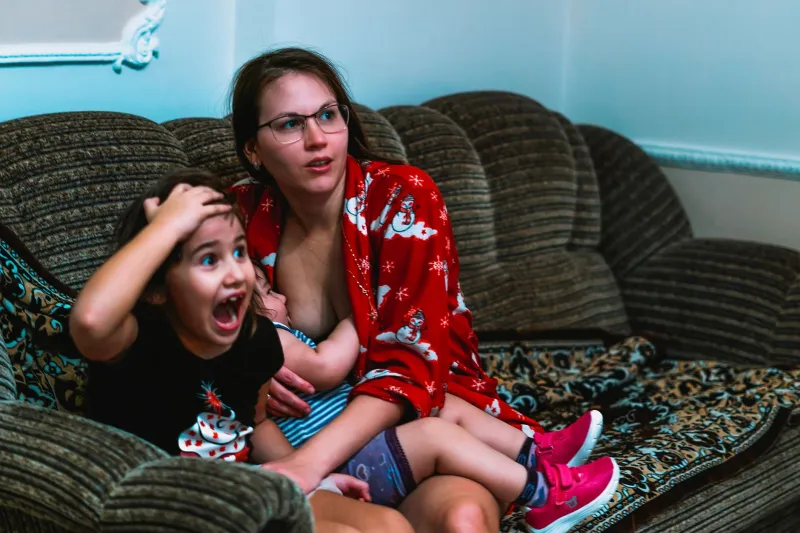
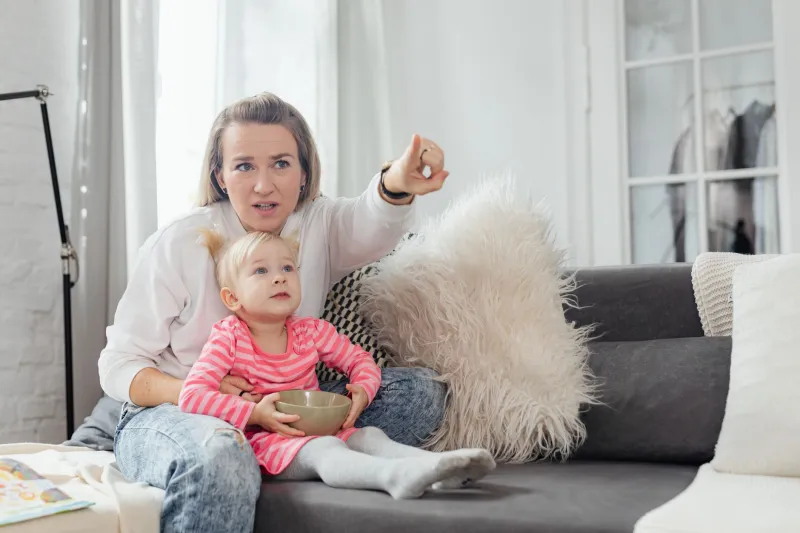
It starts small. Maybe your three-year-old drops a casual "Oh dear" when they spill their juice. Or they announce at dinner that the mac and cheese is "quite lovely." Then one morning you catch them doing a deep, round belly laugh — arms out, head back — and you realize with a jolt: your child has absorbed an entire British personality from a cartoon pig.
Welcome to what parents across the US are unofficially calling the Peppa Effect.
You didn't sign up for this. You put Peppa on because it was colorful and calm and bought you twenty minutes to drink a hot cup of coffee. But somewhere between Muddy Puddles and Daddy Pig's legendary belly flop, your kid quietly decided that British was the way to go. And look — we're not complaining. It's absolutely hilarious.
The Accent Thing Is Very Real (And Very Adorable)
Parents in online communities have been swapping stories about this for years, and the reports are remarkably consistent. Kids who watch Peppa Pig regularly — especially during the ages of two to five, when language acquisition is in full swing — start picking up British pronunciation, vocabulary, and cadence without even realizing it.
One mom from Ohio shared that her four-year-old started pronouncing "tomato" the British way — toh-MAH-toh — and refused to be corrected. "She told me I was saying it wrong," the mom wrote. "Peppa says it that way, so that's how it goes."
A dad from Texas reported that his son started calling their backyard a "garden" and asked if they could have a "biscuit" with their tea. They do not drink tea. They have never drunk tea. The kid had never eaten a British biscuit in his life. And yet.
This isn't random. It's actually a fascinating window into how young children learn language.
Why Kids' Brains Are Basically Accent Sponges
Here's the thing about toddler and preschool-age language development: kids at this stage aren't just learning words, they're absorbing entire speech patterns. Researchers in child linguistics have long noted that young children are remarkably sensitive to the phonetic rhythms of the voices they hear most. They don't filter. They soak.
Television characters — especially ones kids watch repeatedly and feel emotionally connected to — can have a real influence on the way children speak. Peppa, Mummy Pig, Suzy Sheep, and the whole Peppa Pig gang all speak in clear, expressive British English. The show doesn't dumb anything down. The vocabulary is surprisingly rich. And kids hear it over and over and over again.
Add in the fact that Peppa Pig episodes are short, episodic, and often watched in long back-to-back stretches, and you've got a pretty potent language environment. Your child isn't just watching a show. They're basically doing an immersive language program — just not the one you enrolled them in.
The Greatest Hits of American Kids Going British
Let's take a moment to appreciate some of the most-reported Peppa-isms that American parents have encountered in the wild:
"Brilliant!" — Used to express enthusiasm about literally everything. A cracker that doesn't break. A successfully flushed toilet. A particularly good nap.
The Daddy Pig Laugh — That deep, rotund, slightly self-satisfied chuckle. Kids don't just repeat it; they perform it. Full body. Maximum commitment.
"Oh dear" — Deployed with remarkable composure in moments of minor crisis. Spilled milk? Oh dear. Shoe came untied? Oh dear. The dog ate the remote? Oh. Dear.
"Mummy" and "Daddy" — Some American kids make a full switch. Mama becomes Mummy. Dad becomes Daddy (with the British inflection). Parents report this lasts anywhere from two weeks to... indefinitely.
"Muddy puddles!" — Less a British-ism and more a Peppa-ism, but the enthusiasm with which American children now leap toward any standing water is something to behold.
Is This Something to Worry About?
Short answer: nope.
Longer answer: language play and code-switching — even in young children — is a totally normal and actually positive sign of cognitive development. When kids try on different speech patterns, they're experimenting with identity, testing how language works, and demonstrating that they understand communication can look and sound different depending on context.
The British vocabulary they're picking up isn't harmful. Words like "brilliant," "lovely," "quite," and "oh dear" are perfectly good additions to any kid's word bank. And honestly, a four-year-old who says "that's rather interesting" instead of "huh" is going to make a strong impression at kindergarten.
If anything, Peppa Pig is doing something quietly valuable here: exposing American children to the fact that people in other places speak differently, live differently, and still have families and friendships and muddy puddles just like them. That's a genuinely lovely foundation for cultural awareness — even if the delivery is a cartoon pig in a red dress.
Leaning Into the Fun
So what do you do when your kid comes home from preschool having taught their friends to say "cheerio"? You lean in.
Maybe you make a batch of actual British biscuits (shortbread is a great starting point and very toddler-friendly). Maybe you do a little family research on what England looks like — the rolling hills, the rainy afternoons, the actual muddy puddles. Maybe you let your kid show you their best Daddy Pig laugh and you do it right back.
These little moments of shared silliness are exactly what Peppa Pig & Me is all about. The show gives kids and parents a common language — sometimes literally — and the Peppa Effect is just one of its more unexpected gifts.
Your kid isn't confused about their identity. They're just expanding it. And if they want to be a little bit British for a while? Brilliant. Absolutely brilliant.
One Last Thing
If your child has recently informed you that they would like to jump in muddy puddles, please note that Peppa Pig's influence on outdoor play is a whole separate (and equally delightful) rabbit hole. Or pig hole. Whatever.
For now, put the kettle on — metaphorically speaking — and enjoy the show. Your kid is learning more than you think, and they're doing it with a rather charming accent.