Wait, That's Not Fair! How Peppa Pig Is Raising a Generation of Tiny Advocates (And What to Do When It Goes a Little Too Far)
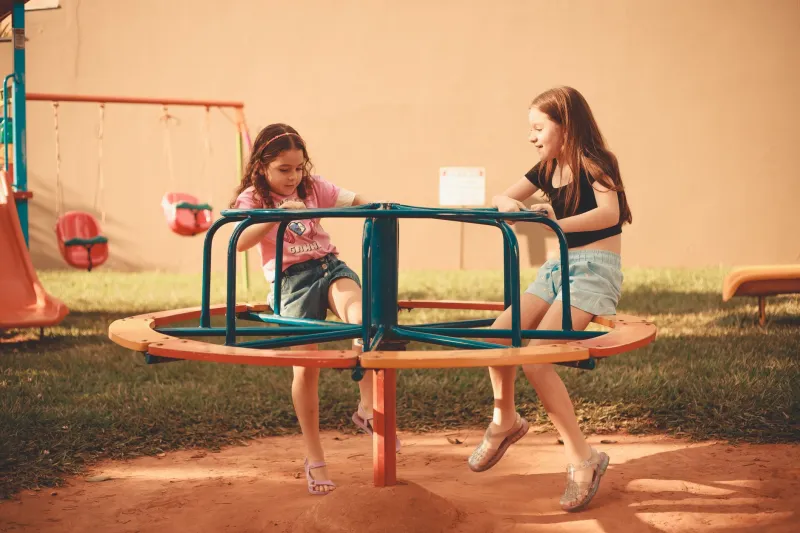
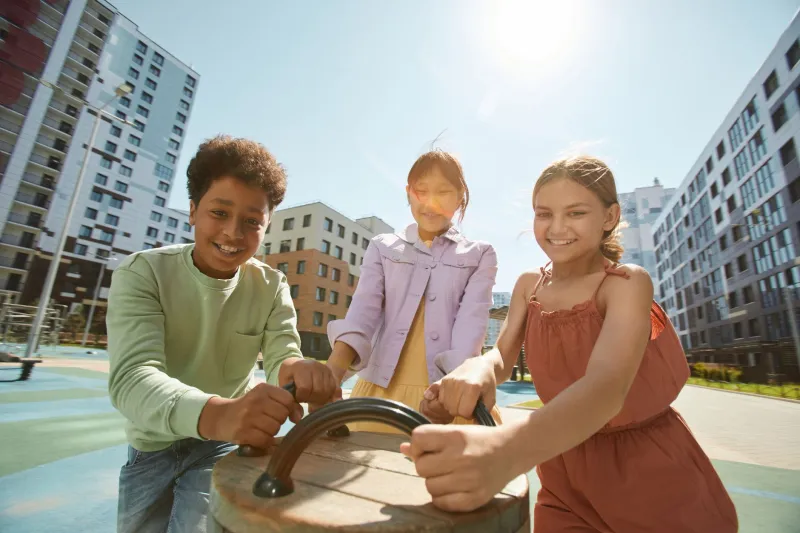
Picture this: Your five-year-old comes storming off the playground, arms crossed, face set in a very specific kind of determination. "Marcus took two turns on the slide and didn't even wait," she announces. "That's not fair and I told him so."
You're somewhere between proud and slightly nervous about how that conversation went down.
Sound familiar? A lot of parents are noticing this lately — their young kids showing up with strong opinions about fairness, rules, and what they will and won't put up with. And while there are a lot of factors at play in how children develop a moral compass, there's one cheerful, snorting little character who's been quietly shaping the way kids think about justice: Peppa Pig.
Peppa's Got Opinions, and She's Not Shy About Them
If you've watched more than a handful of episodes with your kid (and let's be honest, you've seen them all at least twice), you know that Peppa is not the type to let things slide. When something seems off to her, she says so. When a game doesn't feel right, she pushes back. When George is upset, she notices. When someone isn't playing by the rules, she calls it out — usually in the most direct, matter-of-fact way possible.
For young viewers, that's actually a pretty powerful thing to witness. Children between the ages of three and six are in the thick of developing what psychologists call a "theory of mind" — the ability to understand that other people have their own thoughts, feelings, and perspectives. Alongside that comes a growing sensitivity to fairness. They're learning what's right, what's wrong, and what they're allowed to say about it.
Peppa models that you can say something. That your feelings about fairness are valid. That speaking up is a normal thing to do.
For a lot of kids who might otherwise stay quiet or not know how to name what they're feeling, watching Peppa confidently say "that's not very nice" or "it's my turn" is genuinely useful.
When the Playground Becomes Peppa's World
Here's where it gets interesting — and occasionally complicated for parents.
Children are fantastic at absorbing the emotional tone of what they watch, but they're still working out the nuances. Peppa's directness works great in a scripted, 5-minute episode where everyone eventually gets along and someone usually learns a gentle lesson. Real playground dynamics? A little messier.
Some parents report that their kids have started appointing themselves the unofficial fairness monitors of every group activity. They're the ones tracking whose turn it is, flagging rule violations, and making sure the social contract is upheld — loudly, if necessary. In some situations, that's genuinely helpful. In others, it can tip into bossiness or conflict.
The thing is, your child isn't doing anything wrong. They've internalized a value — fairness matters — and they're trying to apply it. That's actually a sign of healthy moral development. The work for us as parents is helping them figure out how to apply it in ways that don't accidentally make them the kid nobody wants to play with at recess.
The Difference Between Advocating and Policing
One of the most useful things you can do is help your child understand the difference between standing up for themselves and managing everyone else.
Peppa is at her best when she's advocating for herself — saying what she wants, expressing how she feels, asking for what she needs. That's the behavior worth reinforcing. Where it gets a little rocky is when kids start applying that same energy to situations that don't directly involve them, or when they deliver their fairness verdict in a way that shuts down conversation instead of opening it.
Some things that can help:
Talk about it after the episode. You don't need to turn every Peppa viewing session into a lesson, but a casual "what did you think about how Peppa handled that?" can open up some really interesting conversations. Kids love having their opinions taken seriously, and it helps them process what they watched rather than just absorbing it passively.
Role-play the tricky moments. If your child is struggling with how to handle a playground conflict, act it out at home. Play the friend who "took two turns." Let your kid practice what they'd say. Then switch roles so they can feel what it's like to be on the receiving end of different approaches.
Validate the feeling, redirect the approach. When your kid comes home fired up about something that wasn't fair, start by agreeing that fairness matters. "You're right, it doesn't feel good when someone breaks the rules." Then move into problem-solving mode: "What do you think would've been a good way to handle it?"
Introduce the idea of picking your battles. This one's a longer game, but even young kids can start to grasp that not every unfair moment requires a response. Sometimes you let it go, and that's okay too.
The Upside Nobody's Talking About
In all the conversation about kids being "too bossy" or "too sensitive," it's easy to lose sight of something important: a child who knows how to name unfairness and speak up about it is developing a really valuable life skill.
Kids who can advocate for themselves are better equipped to navigate situations where they're being treated poorly — by peers, and eventually by a much wider world. They're more likely to tell a trusted adult when something's wrong. They're practicing the early version of a skill that shows up later as self-advocacy in school, in friendships, and eventually in workplaces.
Peppa, for all her snorting and occasional bossiness, is modeling something genuinely worth modeling: your voice matters, and using it is okay.
The job for parents isn't to dial that down. It's to help kids use it well.
Growing Up, One Mud Puddle at a Time
Every stage of childhood comes with its own set of surprises, and "my kid is now very loudly committed to justice" is honestly one of the better ones. It's messier than you'd expect, sure. But it means something is working.
The next time your little one comes home with a full incident report from the playground, take a breath before you respond. Under all that indignation is a kid who's learning that fairness is worth caring about — and that they have the right to care about it.
That's not a problem to fix. That's something to work with.
And if it helps to blame Peppa a little? We completely understand.