Snorts, Squabbles, and Sudden Hugs: What Peppa and George Are Teaching Your Kids About Sibling Conflict
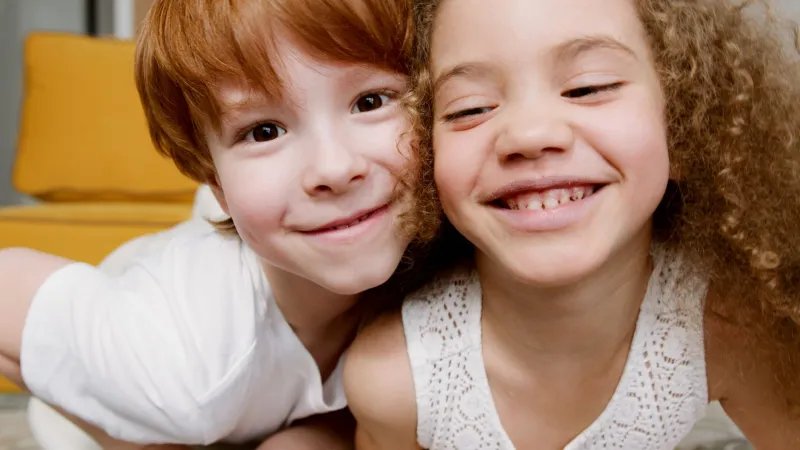
If you've ever watched your two kids go from full-blown toy tug-of-war to giggling on the couch together in the span of about four minutes, congratulations — you've witnessed the sibling emotional rollercoaster in its purest form. It's chaotic, it's loud, and honestly? It's pretty normal.
But here's something a lot of parents don't think about: the shows our kids watch can quietly shape how they process and act out those big feelings. And when your little ones are deep in a Peppa Pig phase, the relationship between Peppa and her baby brother George is playing on repeat in their minds — for better or for worse.
So, does all that watching actually help with sibling conflict? Or does Peppa's occasional bossiness give your older kid a little too much inspiration? Let's dig in.
Peppa and George: A Realistic (and Relatable) Sibling Duo
One of the things that makes Peppa Pig so enduring — aside from the fact that it's genuinely funny for adults, too — is that the sibling dynamic feels real. Peppa isn't always kind to George. She sometimes excludes him, talks over him, or rolls her eyes when he drags his beloved Mr. Dinosaur everywhere. George, for his part, cries, gets frustrated, and occasionally steals the spotlight.
Sound familiar?
What the show does brilliantly, though, is almost always circle back to affection. Peppa and George make up. They play together. Peppa stands up for George when other kids are unkind. These aren't just feel-good TV moments — they're modeling a full conflict arc that many young children have never seen laid out so clearly.
"Children learn social scripts from the media they consume," explains Dr. Sandra Kline, a child psychologist based in Austin, Texas, who specializes in early sibling relationships. "When a show consistently shows conflict followed by repair, it gives kids a framework for what's supposed to come after the fight. That's actually a really valuable thing for preschoolers to internalize."
Why Some Kids Fight More After Watching — And That's Okay
Here's the part that surprises a lot of parents: some kids actually seem to fight more after watching Peppa. Before you unplug the TV, take a breath — this doesn't necessarily mean the show is making things worse.
Dr. Kline says this can be a sign that kids are processing what they've seen. "Young children, especially those between ages two and five, often reenact scenarios from shows they watch. If they're testing out conflict behaviors they observed between Peppa and George, that's actually a form of social learning. They're experimenting with cause and effect in their own relationships."
In other words, if your four-year-old suddenly starts bossing around their little sibling with a new level of confidence, they may just be trying on Peppa's personality for size. The key is what you do with that moment.
Turning Peppa Moments Into Teaching Moments
This is where Peppa Pig becomes genuinely useful as a parenting tool — if you're watching alongside your kids (even occasionally), you have a ready-made shared vocabulary for talking about feelings and fairness.
Try these approaches:
Pause and Reflect
When Peppa does something that leads to conflict with George — like refusing to let him join a game — hit pause and ask your kids, "How do you think George feels right now?" This simple question activates empathy and gets kids thinking about perspective before the situation escalates into their own argument.
Name the Repair
When Peppa and George make up at the end of an episode, make a point of noting it out loud. "Oh, look — Peppa said sorry and now they're playing together again. That's what we do in our family too, right?" Reinforcing the repair is just as important as addressing the conflict itself.
Use Peppa as a Mirror, Not a Judge
Avoid saying things like, "Don't be like Peppa" when your older child is acting bossy. Instead, try, "Remember how George felt when Peppa did that? What could you do differently?" This keeps the conversation collaborative rather than shaming.
Create a "George Moment" Ritual
Younger siblings often get steamrolled in play, just like George does. Consider introducing a simple house rule inspired by the show: the younger sibling gets to pick the first activity, game, or TV episode once a day. Framing it as a "George gets a turn" moment makes it feel fun rather than punitive for the older kid.
The Bossiness Question: Does Peppa Make Older Kids Worse?
This is the concern that comes up most often in parenting forums, and it's worth addressing directly. Yes, Peppa is bossy. She's assertive, opinionated, and sometimes a little self-centered — which is, developmentally speaking, pretty on-brand for a four-year-old.
The worry is that older siblings will see Peppa's behavior and adopt it wholesale. But researchers who study media influence on children suggest that context matters enormously. Kids who watch Peppa with engaged caregivers — even just a few times a week — are significantly more likely to discuss what they've seen and process the nuances of the behavior, rather than simply mimicking it.
The show also does something quietly important: it shows Peppa experiencing consequences. When she's unkind to George, things go wrong. When she's bossy with her friends, they push back. These are not lessons delivered with a lecture — they're baked into the narrative, which is exactly how young kids absorb them best.
What About the Kids Who Fight Less?
On the flip side, plenty of parents report that their kids actually seem calmer with each other during or after a Peppa phase. This tracks with what we know about co-viewing — watching a shared favorite show creates a sense of "team," a bonding experience that can carry over into how siblings treat each other afterward.
There's also something to be said for the humor. Peppa Pig is genuinely funny, and laughter is one of the most effective de-escalators in any relationship, including the sibling kind. When both kids are giggling at Daddy Pig's latest mishap, it's pretty hard to stay mad at each other.
The Muddy Bottom Line
Peppa Pig isn't a conflict resolution program, and no one's claiming it is. But it's also not the chaos-inducing influence some parents fear. At its core, it's a show about a family that loves each other, fights sometimes, and always — always — finds their way back to each other.
That's a message worth watching. And with a little parental intention, it's a message your kids can actually use.
So the next time your living room turns into a sibling standoff, don't just separate them and move on. Ask them what Peppa would do. You might be surprised by the answer.