One More Episode, Mom! How to Handle Screen Time Limits Without Losing Your Mind (or Your Kid's Trust)
The Moment the Screen Goes Dark
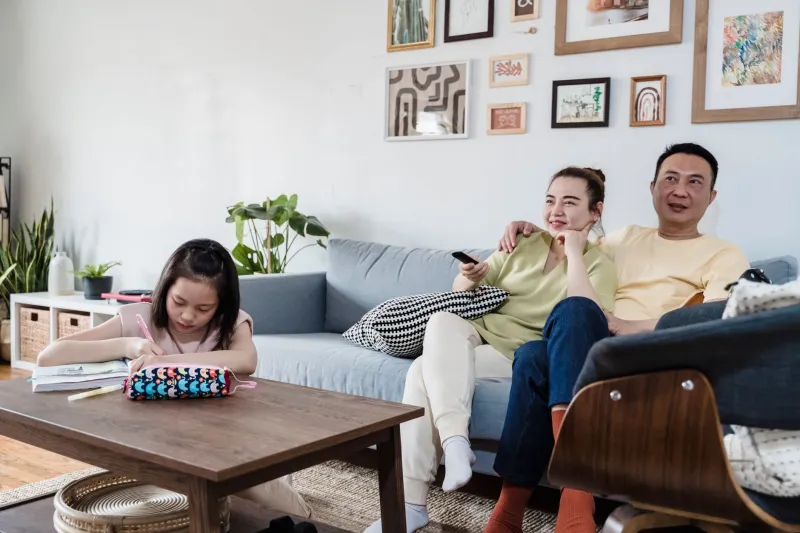
It happens in slow motion. The Peppa Pig theme music fades, the screen clicks off, and before you can say "muddy puddles," you've got a small human melting into the carpet like their entire world just ended. If this sounds familiar, you're not alone — and no, it doesn't mean you're doing anything wrong.
Screen time is genuinely one of the trickiest balancing acts of modern parenting. You want your kid to enjoy Peppa. The show is warm, funny, and honestly pretty great at sneaking in developmental wins. But you also don't want the TV to become the default answer for every quiet moment in your house. So how do you hold that line without it turning into a daily showdown?
Let's talk about it — practically, honestly, and without the judgment.
What the Experts Actually Say (Spoiler: It's Not Zero Screens)
The American Academy of Pediatrics has softened its stance on screen time significantly in recent years. For kids ages 2 to 5, the current guidance suggests limiting recreational screen time to about one hour per day of high-quality programming — emphasis on high-quality. Peppa Pig, for what it's worth, fits squarely into that category. It's co-viewing friendly, language-rich, and built around social-emotional themes.
For kids under 18 months, the recommendation is to avoid screens beyond video chatting. But once your toddler hits that 2-year mark, the conversation becomes less about "screens bad" and more about "how do we do this thoughtfully?"
The research isn't trying to scare you away from letting Peppa into your living room. It's nudging you toward intentionality — knowing why the TV is on, watching together when you can, and building a routine that doesn't revolve around the screen as a default babysitter.
Why Transitions Are So Hard (It's Brain Science, Not Bad Behavior)
Here's something worth knowing before you chalk up the post-Peppa meltdown to manipulation: your child's brain is literally not wired yet to handle abrupt transitions.
Young kids live in the present moment. When they're deep in Peppa's world — laughing at Daddy Pig's belly, rooting for George during his dinosaur adventures — they are fully there. Asking them to snap out of it without warning is like someone cutting your favorite movie off mid-scene. The frustration is real, and it's neurologically normal.
This doesn't mean you let them watch forever. It means you work with their developing brains instead of against them.
Strategies That Actually Work in the Real World
Give the Five-Minute Warning (And Mean It)
This one sounds simple because it is — and it genuinely helps. A few minutes before the episode ends, give your child a heads-up. "One more episode, then we're turning it off." Or, "When Peppa goes home, we're going to go outside." You're giving their brain time to start preparing for the shift. Consistency is key here. If you say it, follow through every time.
Use Peppa's World as a Bridge, Not a Barrier
One of the smartest things you can do is connect the off-screen activity to what they just watched. Did they just see Peppa and her family go camping? Pull out a blanket and build a living room fort. Did George spend the episode playing with dinosaurs? Dig out the dino toys and take the adventure outside. You're not replacing Peppa — you're extending her world into real life, which is actually more enriching for your kid anyway.
This is the whole spirit behind what we love about the show. Peppa isn't just a cartoon; she's a springboard for imaginative play. Use that.
Create a Visual Schedule Together
For kids ages 3 and up, a simple picture-based daily schedule can be a game-changer. Work with your child to map out the day — meals, play, Peppa time, outdoor adventures, and wind-down. When screen time is a named part of the routine rather than something that appears randomly and disappears arbitrarily, kids feel more in control. Less control anxiety = fewer meltdowns.
You can find free printable schedule templates online, or get crafty and make one together with your kid. Bonus: it's a great rainy-day activity in itself.
Lean Into Natural Episode Endings
Peppa episodes are short — usually about five minutes each. That structure is actually your best friend. Rather than cutting things off mid-episode (which almost always goes badly), aim to end at a natural stopping point. "We'll watch two episodes and then we're done" is a cleaner, less confrontational boundary than hitting pause mid-adventure.
Don't Make Screens the Forbidden Fruit
Here's a counterintuitive one: the more you frame TV as a treat or a reward, the more powerful and desirable it becomes. Kids want what they can't have. If Peppa is just a normal, scheduled part of the day — not a prize to be earned or a punishment to be revoked — it loses some of that all-consuming appeal.
This doesn't mean unlimited access. It means treating screen time matter-of-factly. "We watch Peppa after lunch" is a routine. "You can only watch if you eat your vegetables" turns it into a power struggle.
Building the Life Around the Screen
The best long-term strategy isn't really about managing screens at all — it's about building a home environment so full of interesting things to do that Peppa is just one option among many.
Mud kitchens in the backyard. Art supplies within reach. Audiobooks and music during car rides. A rotating bin of dress-up clothes. A dedicated "Peppa drawer" of toys that only come out during imaginative play.
When kids have rich, hands-on alternatives that feel just as fun as what they see on screen, the transition off the TV stops being a loss. It becomes a gateway.
A Note on the Guilt
If you've let Peppa run a little longer than planned because you needed twenty quiet minutes to finish a work call, make dinner, or just breathe — that's okay. You're not failing. You're parenting.
The goal isn't perfection. It's building habits that generally trend toward balance. Some days will be heavier on screen time than others. What matters is the overall pattern, not any single Tuesday afternoon.
Peppa Pig can be a genuinely wonderful part of your child's early years. The snort-laughs, the relatable family dynamics, the gentle life lessons tucked into five-minute adventures — it's good stuff. You don't have to feel conflicted about it. You just have to be the grown-up in the room who decides when the TV goes off.
And maybe keeps a bag of dinosaur toys nearby for the transition.