Little Hearts, Big Feelings: How Peppa Pig Is Wiring Your Child's Brain for Empathy
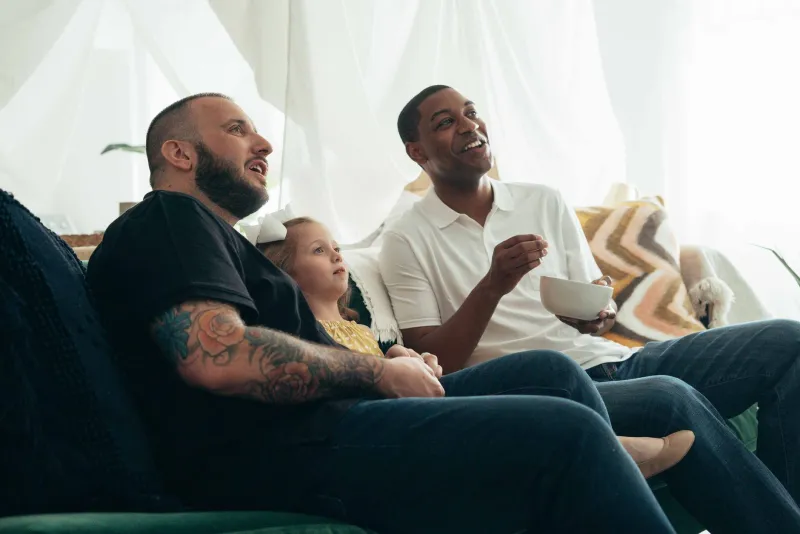
You've probably been there. Your kid is parked on the couch watching Peppa, and out of nowhere they turn to you and say, "George is sad because Peppa won't let him play." You smile, maybe nod, and go back to whatever you were doing — but what just happened in that little brain of theirs is actually kind of remarkable.
Empathy — the ability to recognize and share someone else's emotional experience — doesn't arrive fully formed. It develops gradually, and it needs modeling, language, and repetition to really take root. As it turns out, a certain pink pig and her family are doing a surprisingly solid job of delivering all three.
Why Emotional Labeling Is Such a Big Deal
One of the things that sets Peppa Pig apart from a lot of children's programming is how freely the characters name their feelings out loud. Peppa says she's frustrated. George cries when he's scared. Daddy Pig admits he's embarrassed. Mummy Pig says she's proud. These aren't throwaway moments — they're emotionally rich data points for little viewers who are still learning to connect internal sensations to words.
Developmental psychologists call this process "emotion labeling," and research consistently shows it helps children regulate their own feelings and recognize emotions in others. When kids hear characters articulate what they're feeling and why, they're building a mental library they can draw from in real life. The next time your child sees a friend crying at school, they've already got the vocabulary — and the framework — to make sense of it.
And here's the wild part: they're not just passively absorbing this. Their brains are actively participating.
Mirror Neurons: Your Child's Built-In Empathy Engine
You may have heard the term "mirror neurons" thrown around in parenting circles. These are specialized brain cells that fire both when we perform an action and when we observe someone else performing it — essentially allowing us to simulate another person's experience from the inside. Researchers believe mirror neurons play a key role in empathy development, helping children feel a version of what they're watching.
When George bursts into tears because his toy dinosaur is missing, your child's brain isn't just registering "George is sad." On some level, it's simulating that sadness. That simulation is the seed of empathy. And the more your child encounters emotionally authentic characters — ones who react the way real people react — the more those neural pathways get exercised.
Peppa's world is full of these moments, and they're presented without melodrama. Feelings show up, get named, and get worked through. That's not just good storytelling. That's good developmental scaffolding.
Episodes That Do the Heavy Lifting
Let's get specific, because a few episodes really stand out as empathy gold mines.
"George's Friend" is a quiet masterpiece of perspective-taking. When George befriends a new child and Peppa initially feels left out, the episode doesn't gloss over her jealousy — it sits with it, names it, and then moves toward resolution. Kids watching get to see jealousy as a normal, manageable emotion rather than something to be ashamed of.
"The Playground" tackles exclusion in a way that's both age-appropriate and emotionally honest. When a character feels left out of a game, the show doesn't just fix the problem instantly. It lets the discomfort breathe before the group comes back together. That pacing matters — it teaches kids that uncomfortable feelings don't have to be immediately erased.
"Daddy Pig's Birthday" is a surprisingly tender look at effort, appreciation, and the feelings that come with wanting to make someone happy. When things don't go perfectly, the emotional response feels real — and the resolution centers on gratitude rather than perfection.
These aren't accidental. The writers consistently use conflict not as drama for drama's sake, but as a vehicle for emotional exploration.
What Parents Can Do to Amplify the Learning
Here's the thing: the show does a lot of the work, but your involvement can take it even further. Research on what's sometimes called "dialogic viewing" — basically, talking with your child while and after watching TV — shows that parental engagement significantly boosts the developmental payoff of screen time.
You don't need a lesson plan. Just a few simple habits can make a big difference.
Pause and ask open-ended questions. "How do you think Suzy Sheep feels right now?" or "Why do you think Peppa made that face?" These prompts encourage your child to step into another character's shoes — which is literally the definition of empathy practice.
Reflect feelings back without judgment. If your child says "George is being a baby," that's a chance to gently expand: "He might be scared though, right? What do you think scared feels like?" You're not correcting them — you're stretching their emotional vocabulary.
Connect the show to real life. "Remember when Peppa felt left out? Has that ever happened to you?" Bridging fictional emotional experiences to real ones helps kids generalize what they're learning. The empathy they practice with Peppa starts to transfer to interactions with siblings, friends, and classmates.
Let your own reactions show. If something in an episode makes you go "Aww" or "Oh, that's tough," say so. When your child sees you responding emotionally to characters, it reinforces that feelings are worth noticing and talking about.
It's Not Just Watching — It's Practicing
Here's a reframe that might be useful: every time your child watches Peppa navigate a social or emotional situation, they're essentially running a low-stakes simulation. They're practicing empathy in a safe environment where no one actually gets hurt and everything resolves within 10 minutes.
That practice adds up. Kids who develop stronger emotional literacy early tend to have better peer relationships, fewer behavioral challenges in school, and greater resilience when things get hard. None of that happens because of one episode — but it absolutely happens through consistent, repeated exposure to emotionally rich storytelling.
And the fact that your child finds it fun? That's not a bug. That's the feature. Learning that feels like play is the kind that actually sticks.
The Mud Puddle Takeaway
Peppa Pig isn't a therapy program. It's a show about a funny little pig who loves jumping in muddy puddles and occasionally drives her family a little crazy. But woven into all of that are hundreds of small, honest moments where characters feel things, say so, and work through it together.
That's a pretty powerful model for a 3-year-old.
So the next time your kid tells you that Peppa is being mean to George and it isn't fair — take a second to really respond. Ask what they think George is feeling. Ask what they would do. Because in that moment, they're not just watching a cartoon. They're building the emotional architecture that will shape how they move through the world.
And that, honestly, is worth a whole lot more than we give it credit for.