The Secret Ingredient in Your Living Room: How Watching Peppa Together Actually Brings You Closer
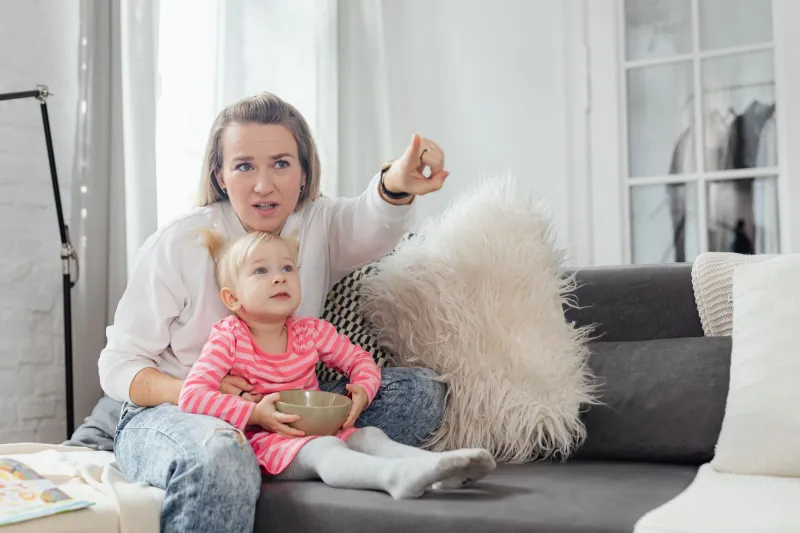
Let's be honest for a second. There are days when hitting play on Peppa Pig feels less like a parenting choice and more like a survival strategy. The dishes are piling up, your inbox is a disaster, and your toddler is approximately three minutes away from a full meltdown. So on goes the TV, and off you go to the kitchen.
No judgment here. We've all been there.
But what if we told you that the times you do sit down with your kiddo—really sit down, snacks in hand, fully present—could actually do something remarkable for your relationship? Because the research backs this up in a pretty meaningful way, and Peppa Pig, of all things, turns out to be an excellent co-viewing partner.
What the Research Actually Says About Watching Together
Pediatric researchers have drawn a clear line between two very different kinds of screen time: passive background viewing (TV on, nobody really watching) and active co-viewing (adult and child watching together, talking, reacting). The American Academy of Pediatrics has long emphasized that how media is consumed matters just as much as what is being consumed.
Studies on co-viewing consistently show that when a parent or caregiver watches alongside a child and talks about what's happening on screen, children retain more, understand more, and feel more emotionally secure. The adult essentially acts as a translator between the fictional world and the real one—and that translation builds trust.
Peppa Pig is particularly well-suited for this kind of intentional viewing. The episodes are short (usually under six minutes), the storylines are clear and relatable, and the emotional beats are easy to identify and discuss. It's practically designed for the co-viewing model, even if that wasn't entirely the point.
Peppa's World Is a Feelings Map
One of the things that makes Peppa such a rich co-viewing experience is how openly the characters express their emotions—and how often those emotions look exactly like what your child is feeling on any given Tuesday.
Take the episode where Peppa gets frustrated because she can't whistle and George can. She pouts. She sulks a little. She tries to convince everyone that whistling isn't even worth doing. Sound familiar? That moment—right there—is an invitation. Pause the show (or just talk during the natural breaks) and ask your child: "Have you ever felt left out because someone could do something you couldn't yet?" You might be surprised at what comes out of that question.
Or consider the episodes centered on Peppa's friendship with Suzy Sheep. Their dynamic is wonderfully realistic: they're best friends who sometimes argue, sometimes compete, and always find their way back to each other. Watching those moments together gives you a ready-made springboard for talking about what it means to be a good friend—without it feeling like a lecture.
Making the Most of Six Minutes
You don't have to turn every episode into a TED Talk for toddlers. The goal is engagement, not curriculum. Here are a few easy ways to make co-viewing feel natural rather than forced:
Ask open-ended questions. Instead of "Was Peppa being nice?" try "What do you think Peppa was feeling when that happened?" Open questions invite kids to think rather than just answer.
Mirror the emotions you see on screen. When Peppa laughs, laugh with your kid. When something sad happens, let your face show it. This emotional mirroring teaches children that feelings are shareable—and that you're a safe person to share them with.
Connect the show to your child's real life. If Peppa goes to a new school or visits the doctor, and your child has a similar experience coming up, use the episode as a gentle preview. "Remember how Peppa felt nervous but then it was okay? I wonder if you'll feel that way too."
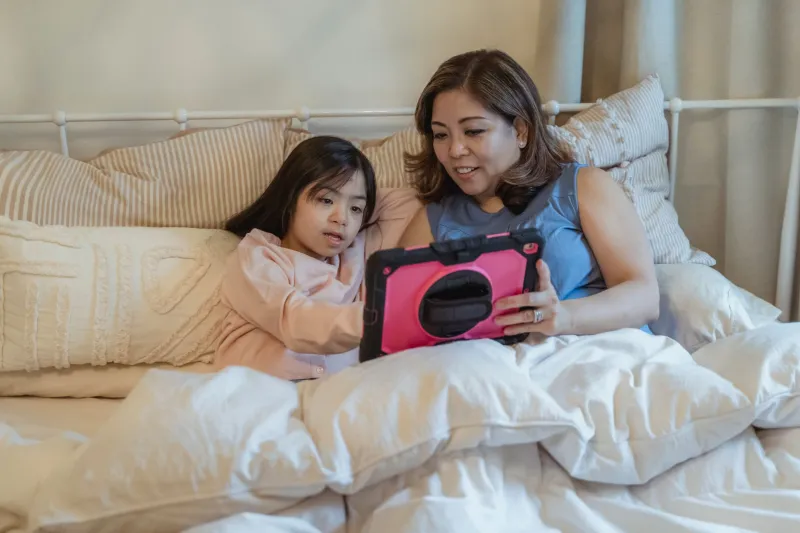
Let your child lead. Sometimes they'll want to talk. Sometimes they just want to watch and snuggle. Both are valid. The simple act of being present together—your arm around them, your attention on the same thing—communicates something words can't always reach.
The Daddy Pig Effect
Here's something worth noticing: Daddy Pig is kind of a co-viewing hero within the show itself. He regularly sits with Peppa and George, engages with what they're doing, and participates fully in their world—even when it involves getting muddy or looking a little silly. There's something quietly powerful about watching a parent on screen model exactly what engaged, present parenting looks like.
For kids, seeing that reflected back at them while their own parent is sitting right beside them on the couch? That's a double dose of security.
Rethinking "Good" Screen Time
The conversation around kids and screens in the US tends to swing between two extremes: total restriction or total permissiveness. But there's a rich middle ground that doesn't get talked about enough, and co-viewing lives there.
Quality screen time—meaning time that's shared, discussed, and connected to real emotional experiences—isn't something to feel guilty about. It's a legitimate tool in the parenting toolkit. Peppa Pig, with its gentle humor, relatable scenarios, and emotionally honest characters, is a genuinely good vehicle for that kind of connection.
So the next time you sit down next to your little one while Peppa and her family head off on another adventure, know that you're not just keeping them entertained. You're showing up. You're paying attention. You're in it together.
And honestly? That's kind of the whole point of parenting.